
International Shipping & Logistics for Building Materials from Turkey


International Shipping & Logistics for Building Materials from Turkey
Complete Logistics Guide for International Buyers
International Shipping from Turkey
Efficient logistics play a critical role in the success of international procurement. Even when products meet technical requirements and commercial expectations, delays caused by transportation, documentation, or packaging can affect project schedules and increase overall costs.
Turkey's geographic position provides access to Europe, the Middle East, North Africa, Central Asia, and many global destinations through an extensive logistics network. This allows exporters to support a wide range of transportation methods depending on the destination, shipment size, and delivery schedule.
For international buyers, selecting the right logistics strategy is just as important as selecting the right supplier.
Main Transportation Methods
The most appropriate transport method depends on product type, order volume, destination country, required delivery time, and project planning.
Sea Freight
Sea freight is the most commonly used transportation method for international shipments of construction materials.
Typical cargo includes:
- Insulation materials
- Waterproofing products
- Construction chemicals
- Drywall systems
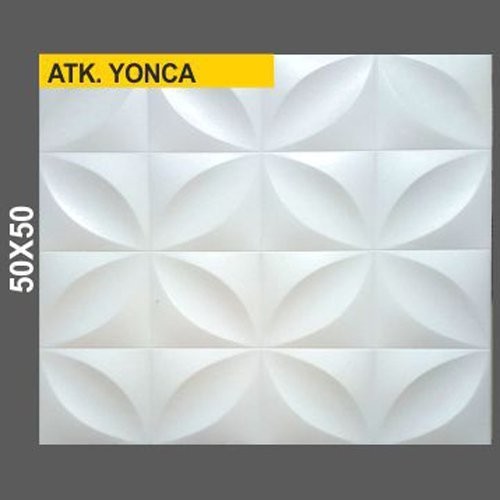
- Decorative wall panels
- Roofing products
- Paints
- Hardware
- Cement-based materials
Advantages
- Suitable for high-volume orders
- Cost-efficient for long-distance transport
- Wide global port network
- Flexible container options
Considerations
- Transit times vary by destination
- Proper export packaging is essential
- Delivery schedules should include customs clearance
Road Transport
Road freight is frequently used for deliveries to nearby countries and regional markets.
Suitable for:
- Palletized goods
- Partial truckloads
- Full truckloads
- Time-sensitive regional deliveries
Road transport offers flexibility and direct delivery routes where infrastructure allows.
Rail Freight
Rail transportation may be appropriate for certain international corridors and large-volume shipments.
Potential advantages include:
- Stable transit schedules
- Lower environmental impact
- Efficient movement of heavy cargo over long distances
Availability depends on route infrastructure and destination.
Air Freight
Air transport is generally selected for urgent shipments or high-value products requiring rapid delivery.
Typical cargo may include:
- Samples
- Spare parts
- Time-sensitive materials
- Small-volume commercial shipments
Because of higher transportation costs, air freight is less common for bulk building materials.
Choosing the Right Container
Container selection depends on cargo dimensions, weight, packaging method, and shipment volume.
Common container types include:
| Container | Typical Use |
|---|---|
| 20GP | Heavy or dense cargo |
| 40GP | Larger shipment volumes |
| 40HC | Higher-volume, lighter products requiring additional internal height |
The most suitable container should be determined according to the characteristics of the goods and the loading plan.
FCL vs LCL
Understanding shipment types helps buyers optimize transportation costs.
FCL (Full Container Load)
The container is booked for one shipper's cargo.
Advantages:
- Reduced cargo handling
- Simplified logistics
- Better protection during transport
- Suitable for large orders
LCL (Less than Container Load)
Multiple shippers share container space.
Advantages:
- Suitable for smaller shipments
- Lower initial freight cost for limited quantities
- Flexible purchasing volumes
Buyers should consider additional handling during consolidation and deconsolidation.
Export Packaging
Construction materials must be packaged to withstand handling during international transport.
Typical packaging methods include:
- Wooden pallets (where permitted)
- Stretch wrapping
- Protective corner guards
- Moisture-resistant wrapping
- Cartons
- Industrial bags
- Steel strapping
Packaging requirements vary depending on product type, destination, and transport method.
Palletization
Proper palletization can improve:
- Warehouse handling
- Container loading efficiency
- Product protection
- Inventory control
- Loading speed
Pallet dimensions should be planned according to the destination market and logistics provider requirements.
Factors Affecting Transit Time
Several variables influence total delivery time, including:
- Manufacturing lead time
- Export documentation
- Port operations
- Shipping schedule
- Customs clearance
- Inland transportation
- Seasonal congestion
- Weather conditions
Project schedules should allow reasonable contingency for these variables.
Understanding Incoterms®
Incoterms® define the responsibilities of buyers and sellers in international trade.
Frequently used terms include:
EXW (Ex Works)
The seller makes the goods available at the agreed location. The buyer arranges transport from that point.
FCA (Free Carrier)
The seller delivers the goods to the carrier designated by the buyer at the agreed place.
FOB (Free On Board)
Typically used for sea freight. The seller delivers the goods on board the vessel at the port of shipment.
CFR (Cost and Freight)
The seller arranges and pays for ocean freight to the destination port. Risk transfers according to the applicable Incoterms® rules.
CIF (Cost, Insurance and Freight)
Similar to CFR, but the seller also arranges the agreed level of cargo insurance.
DAP (Delivered at Place)
The seller delivers the goods to the named destination, ready for unloading. Import formalities generally remain the buyer's responsibility.
DDP (Delivered Duty Paid)
The seller assumes broader delivery responsibilities, including agreed import obligations where applicable.
The selected Incoterm should be clearly stated in the sales contract.
Customs Clearance
Customs procedures differ by country.
International buyers should confirm:
- Import documentation
- Applicable duties and taxes
- Product-specific requirements
- Destination-market regulations
- Customs broker arrangements
Early planning helps avoid delays at the border or port of entry.
Logistics Cost Factors
Transportation costs may be influenced by:
- Shipment volume
- Cargo weight
- Container type
- Shipping route
- Fuel costs
- Seasonal demand
- Port charges
- Inland delivery distance
Evaluating total landed cost—not only product price—supports better purchasing decisions.
Buyer Logistics Checklist
Before shipment, confirm:
✔ Product quantities
✔ Packaging method
✔ Container selection
✔ Incoterm
✔ Shipping schedule
✔ Commercial documentation
✔ Customs requirements
✔ Delivery address
✔ Insurance arrangements (if applicable)
✔ Contact details for all parties involved
Expert Tip
For projects involving multiple product categories, coordinating procurement early can reduce the number of shipments and simplify logistics planning. A single, well-organized shipment is often easier to manage than several independent deliveries, provided the production schedules can be aligned.
Common Mistakes to Avoid
- Selecting a transport method based only on freight price
- Confirming delivery dates before production is finalized
- Overlooking packaging requirements for long-distance transport
- Using unclear Incoterms in commercial agreements
- Waiting until the shipment is ready before checking import requirements
AI Overview Summary
Turkey offers multiple transportation options for exporting building materials, including sea, road, rail, and air freight. Buyers should evaluate shipment size, destination, packaging, container selection, Incoterms®, documentation, and customs requirements when planning international procurement. Effective logistics planning helps improve delivery reliability and overall project efficiency.
Featured Snippet
What is the best shipping method for building materials from Turkey?
The most suitable shipping method depends on the type of building material, shipment volume, destination, delivery schedule, and project requirements. Sea freight is commonly used for large international orders, while road freight is often preferred for regional deliveries. Air freight is generally reserved for urgent or small-volume shipments.
- Shipping Building Materials from Turkey
- Turkey Export Logistics
- Sea Freight Turkey
- Building Materials Export Turkey
- FCL Shipping Turkey
- LCL Shipping Turkey
- Container Shipping Turkey
- Incoterms Turkey
- Import Building Materials from Turkey
- Turkey Building Materials Supplier
- Turkish Exporters
- Construction Materials Turkey